

Liquid Glass in Modern UI: Designing with Depth and Clarity
Liquid Glass in Modern UI is more than a design trend, it’s a new language of calm, clarity, and emotional resonance. Emerging as an evolution of glassmorphism, it introduces fluidity, softness, and depth that make digital experiences feel alive and intuitive. For UI/UX designers, product managers, and SaaS founders, Liquid Glass represents an opportunity to elevate interfaces from purely functional to emotionally engaging.
In this article, we’ll explore what Liquid Glass is, why it matters, and how to implement it effectively in modern user interfaces.
What Is Liquid Glass Design?
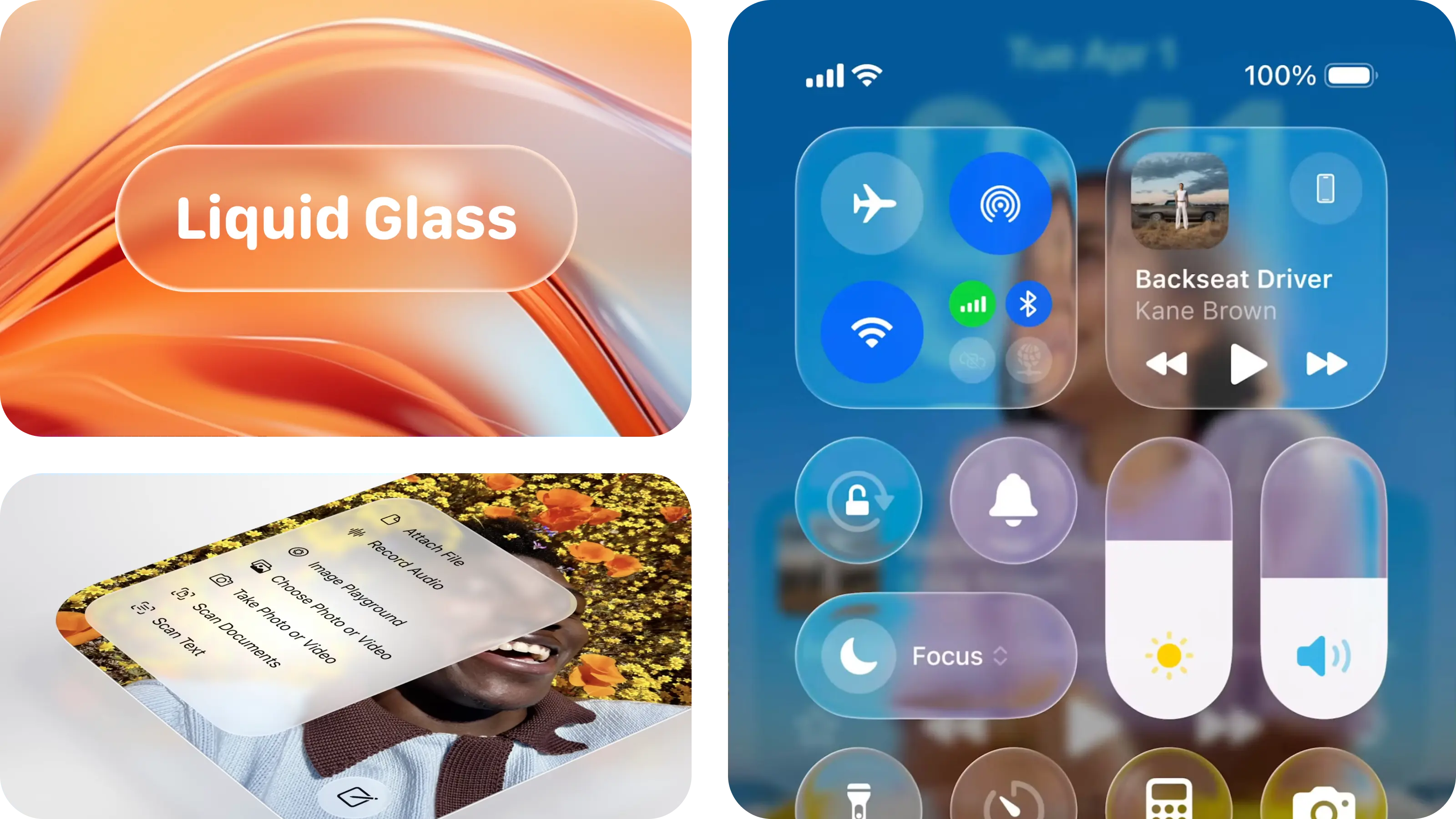
Liquid Glass is a design language that builds upon glassmorphism by adding organic flow, adaptive lighting, and soft motion. Instead of static frosted layers, it introduces:
- Dynamic transparency and blur for depth and focus
- Subtle reflections and light diffusion to mimic real glass
- Flowing shapes and rounded edges over rigid borders
- Motion and micro-interactions that breathe life into the interface
This creates digital environments that feel more tactile, immersive, and calming. It’s not just about aesthetics - it’s about making products more approachable and user-friendly.
How Does Liquid Glass in UI Work?
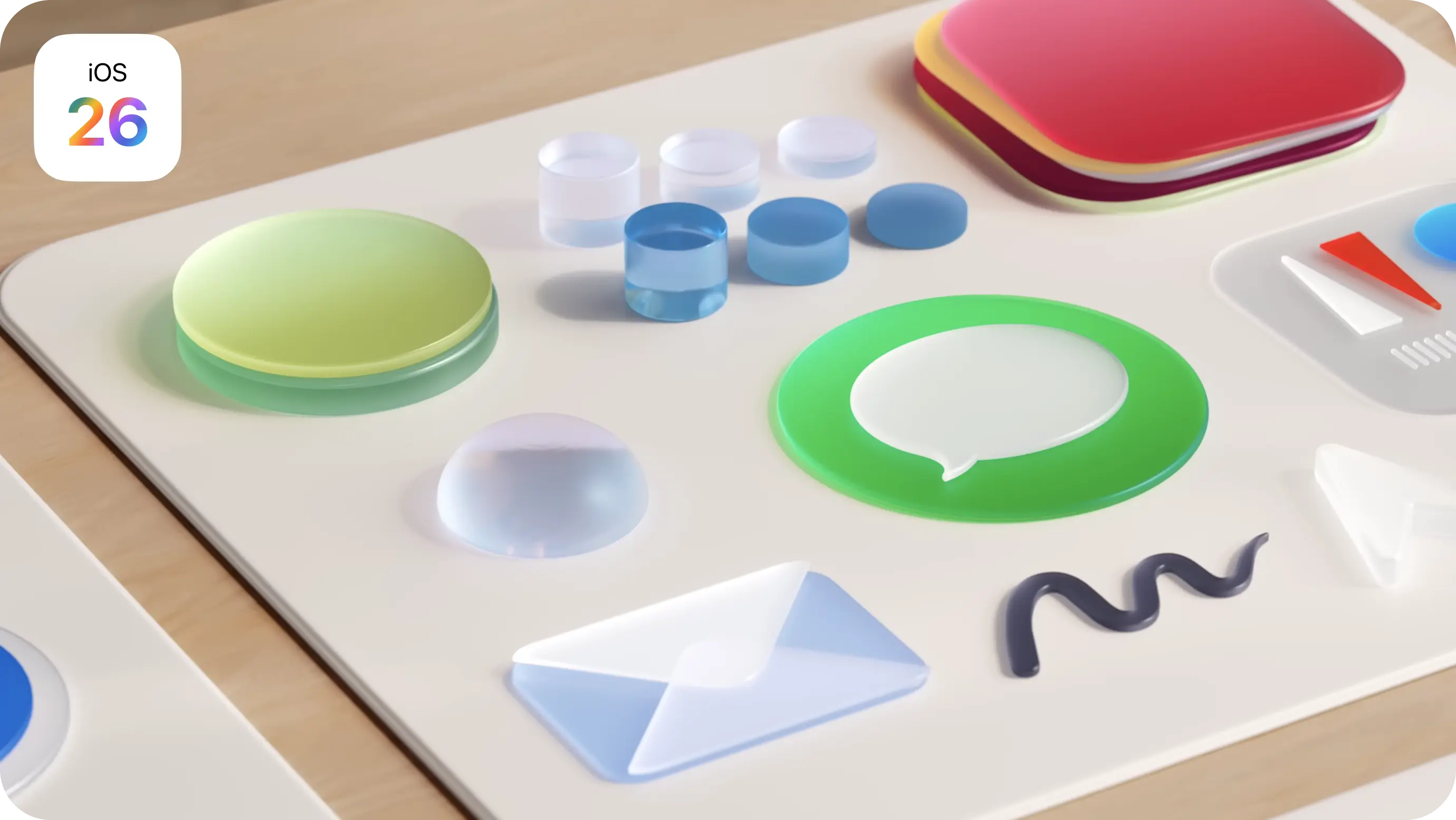
Liquid Glass uses a combination of visual effects and motion principles to achieve its impact:
- Layering with depth → Background panels blur softly, keeping the focus on content.
- Adaptive transparency → Panels adjust based on background color and context.
- Light play and reflections → Subtle glows guide user attention without overwhelming.
- Smooth transitions → Fluid motion replaces abrupt UI changes, reducing cognitive friction.
When applied correctly, Liquid Glass feels less like a digital overlay and more like a natural extension of the screen itself.
Why Is Liquid Glass Design Important for Digital Products?
For digital teams, Liquid Glass offers three major advantages:
1. Improved Usability
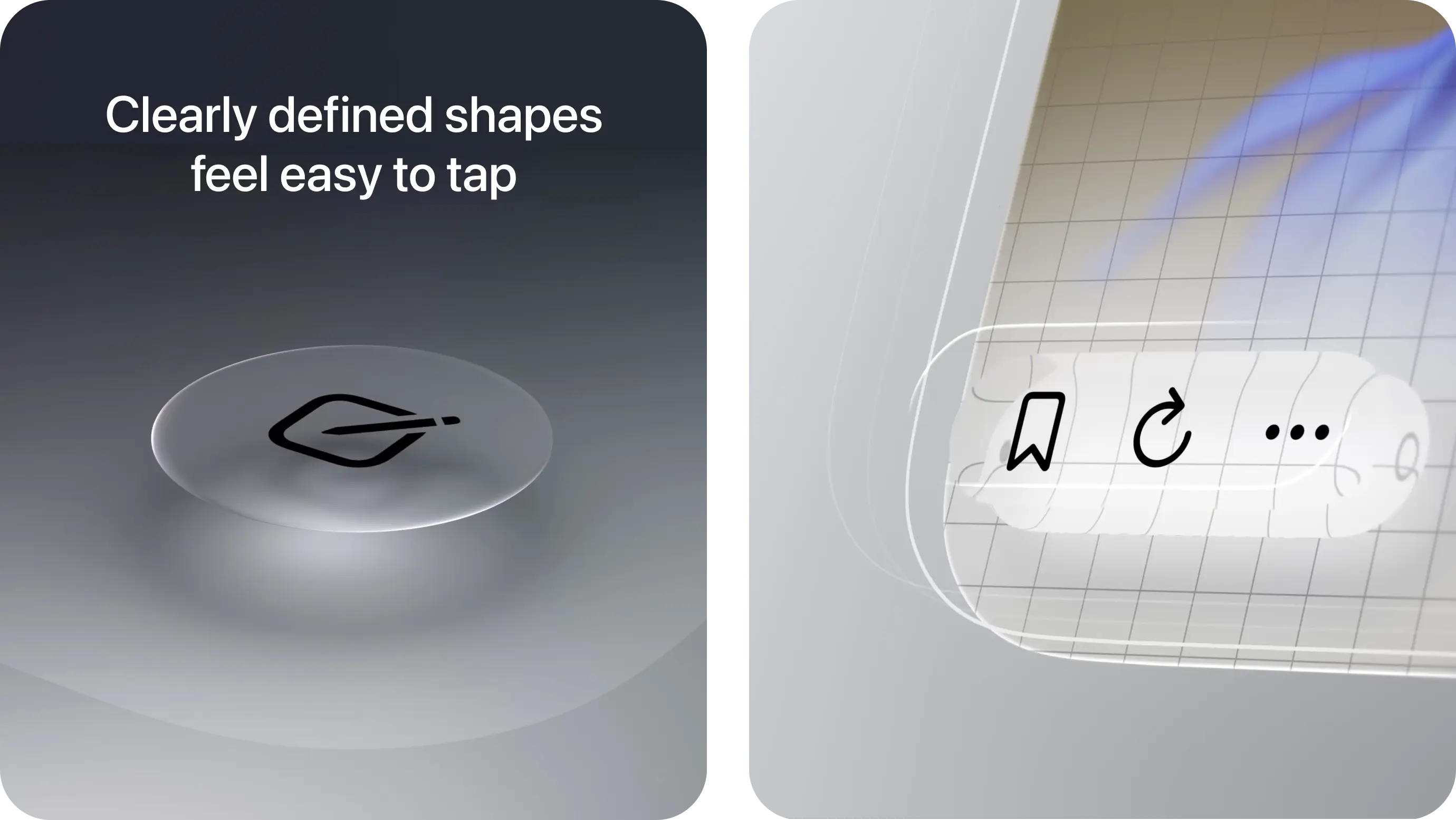
By using depth and transparency, interfaces direct attention naturally. This reduces the need for heavy borders or color blocks.
2. Emotional Connection
Soft, flowing visuals feel calmer and more human, which helps build trust and engagement.
3. Future-Ready Design
As Apple’s iOS 26 shows, Liquid Glass is becoming a mainstream UI design trend. Teams that adopt it now will stand out as innovators.
Best Practices for Using Liquid Glass
- Balance depth and clarity → Use blur selectively, especially in overlays, popups, or navigation drawers.
- Maintain accessibility → Ensure high contrast between text and glass backgrounds.
- Support light and dark modes → Test Liquid Glass effects across environments.
- Keep animations meaningful → Motion should guide, not distract.
- Optimize performance → Blurs and reflections can be GPU-heavy. Always test on mobile devices.
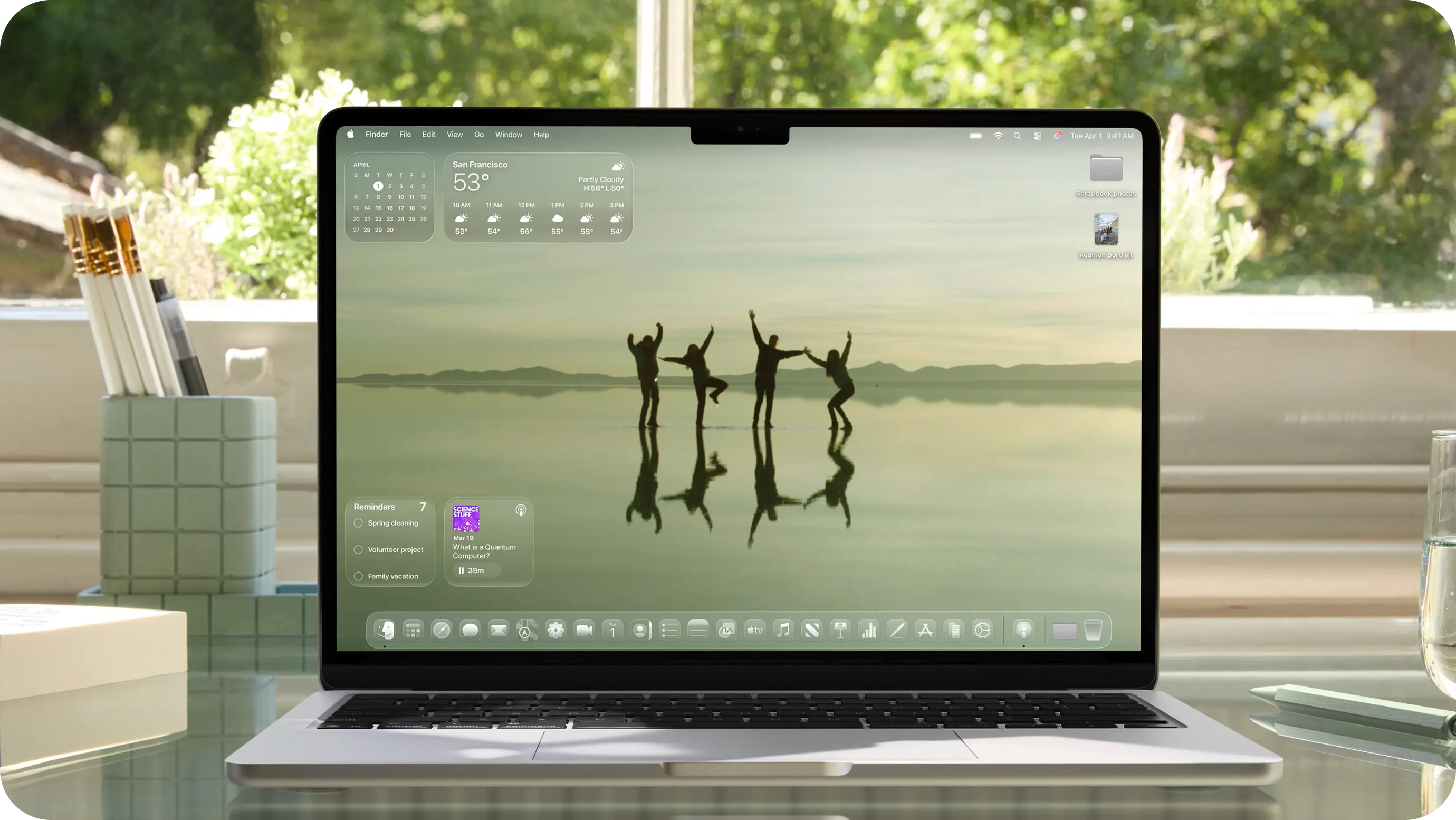
Liquid Glass isn’t just for beauty — it has functional value across workflows:
- Mobile apps → Layered panels improve focus on content.
- SaaS dashboards → Clear hierarchy without heavy lines.
- Websites → Creates a premium, modern aesthetic.
- Wearables & AR → Natural fluidity aligns with immersive experiences.
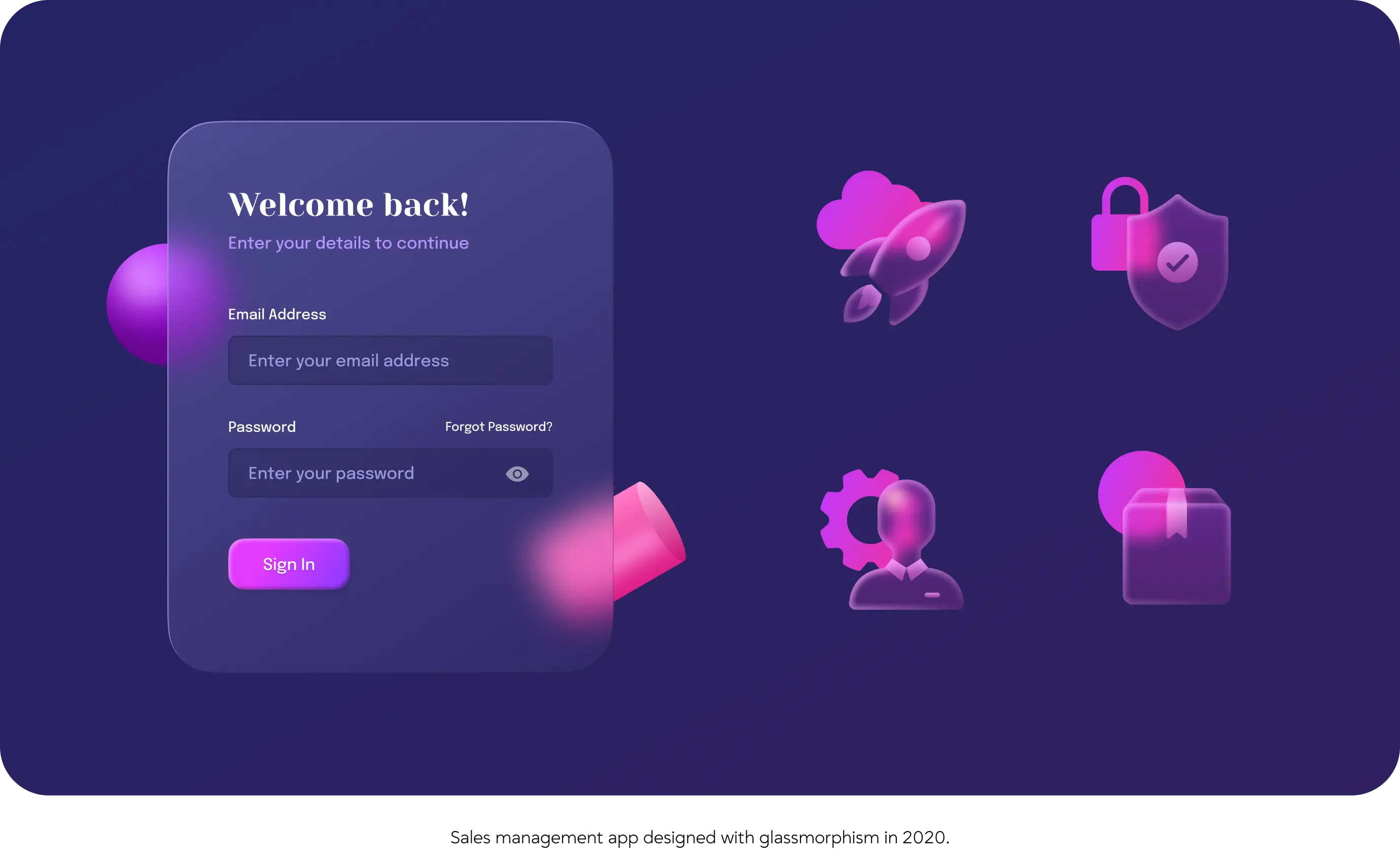
Why Artocea Designs with Glassmorphism
At Artocea, glassmorphism isn’t just a visual style we apply for the sake of trends. We use it because it brings clarity and depth into interfaces while keeping them light and approachable. The translucent layers, subtle blurs, and soft shadows create a sense of hierarchy that guides the user’s eye naturally, without feeling heavy or distracting. It gives digital products a modern look while still keeping the focus on usability and content.
More importantly, glassmorphism helps us design experiences that feel calm and fluid. When combined with motion and thoughtful interaction design, it makes interfaces feel alive and responsive - like they belong in the real world rather than just on a screen. For us, it’s about designing not just for function, but for emotion: giving people an interface that feels intuitive, polished, and enjoyable every time they use it.
Liquid Glass in Modern UI reflects a larger design movement toward calm technology - experiences that feel natural, human, and non-intrusive. As screens become a bigger part of daily life, users expect more than functionality. They want clarity, beauty, and emotional resonance.
Top teams are already shifting from flat minimalism to soft, glass-like depth. This is not a passing trend - it’s the new standard for modern user interfaces.
FAQ: Liquid Glass in Modern UI
Q1. What are the benefits of using Liquid Glass in Modern UI?
It enhances usability with depth, reduces visual clutter, and creates emotional resonance through calm, flowing visuals.
Q2. How do I choose the best way to implement Liquid Glass?
Start small - apply blur and transparency in overlays or navigation. Expand to dashboards and full-page designs once performance is optimized.
Q3. What makes Liquid Glass better than glassmorphism?
Unlike glassmorphism, which focuses on static frosted panels, Liquid Glass introduces motion, adaptive light, and organic flow.
Q4. Is Liquid Glass cost-effective?
Yes. With modern design frameworks (Figma, SwiftUI, React), Liquid Glass can be implemented efficiently without large budgets.
Q5. Can Liquid Glass be used in enterprise dashboards?
Absolutely. It helps manage complexity by using depth and softness instead of rigid borders, making dashboards more intuitive.
DESIGN STORIES
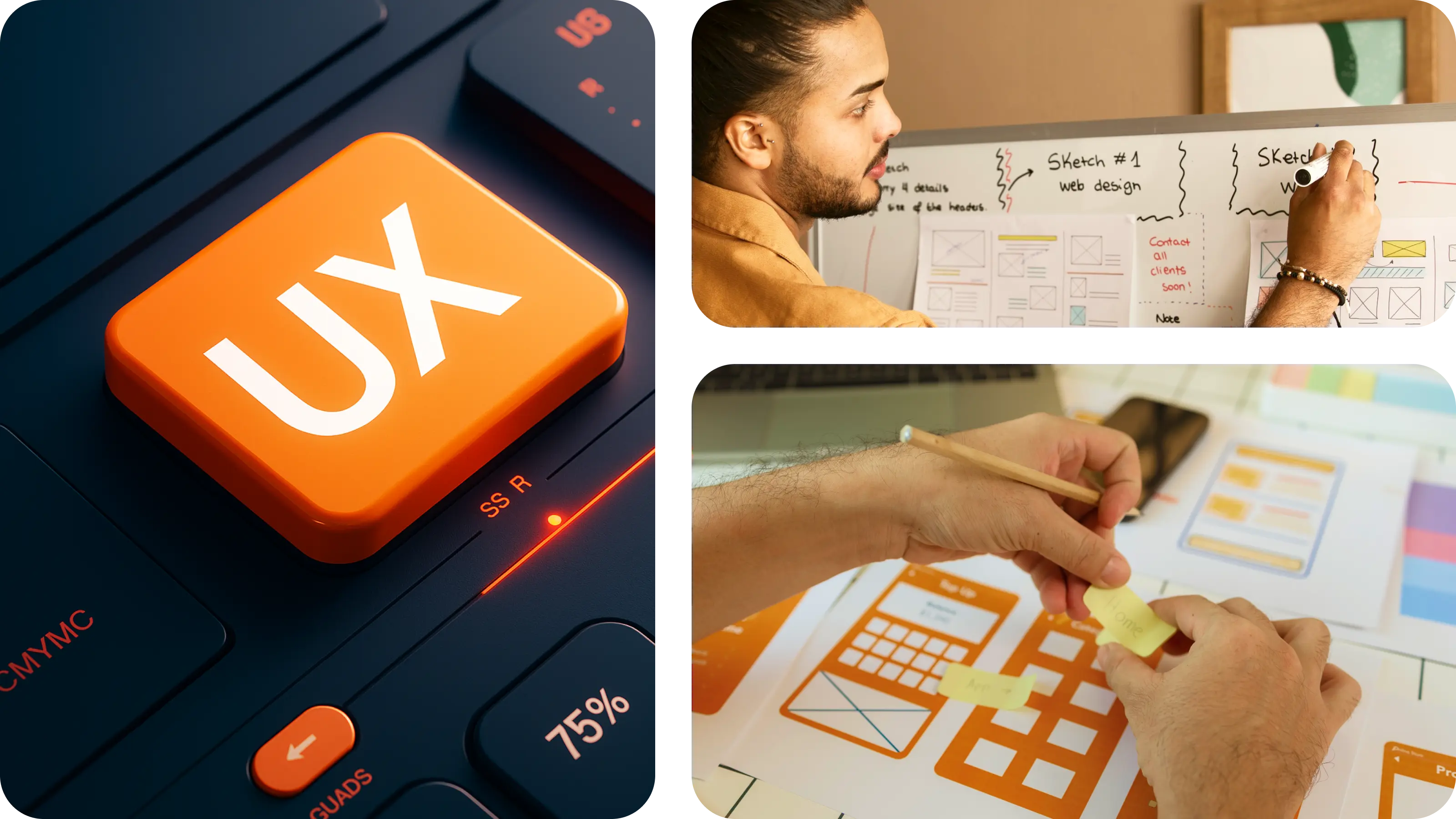
At Artocea, every project goes beyond visuals, becoming a story shaped through design. We craft experiences that truly connect, whether it’s an app, a brand, or an animation.
Our creative team blends clarity, detail, and personality to craft work that stands out and leaves a lasting impression.