

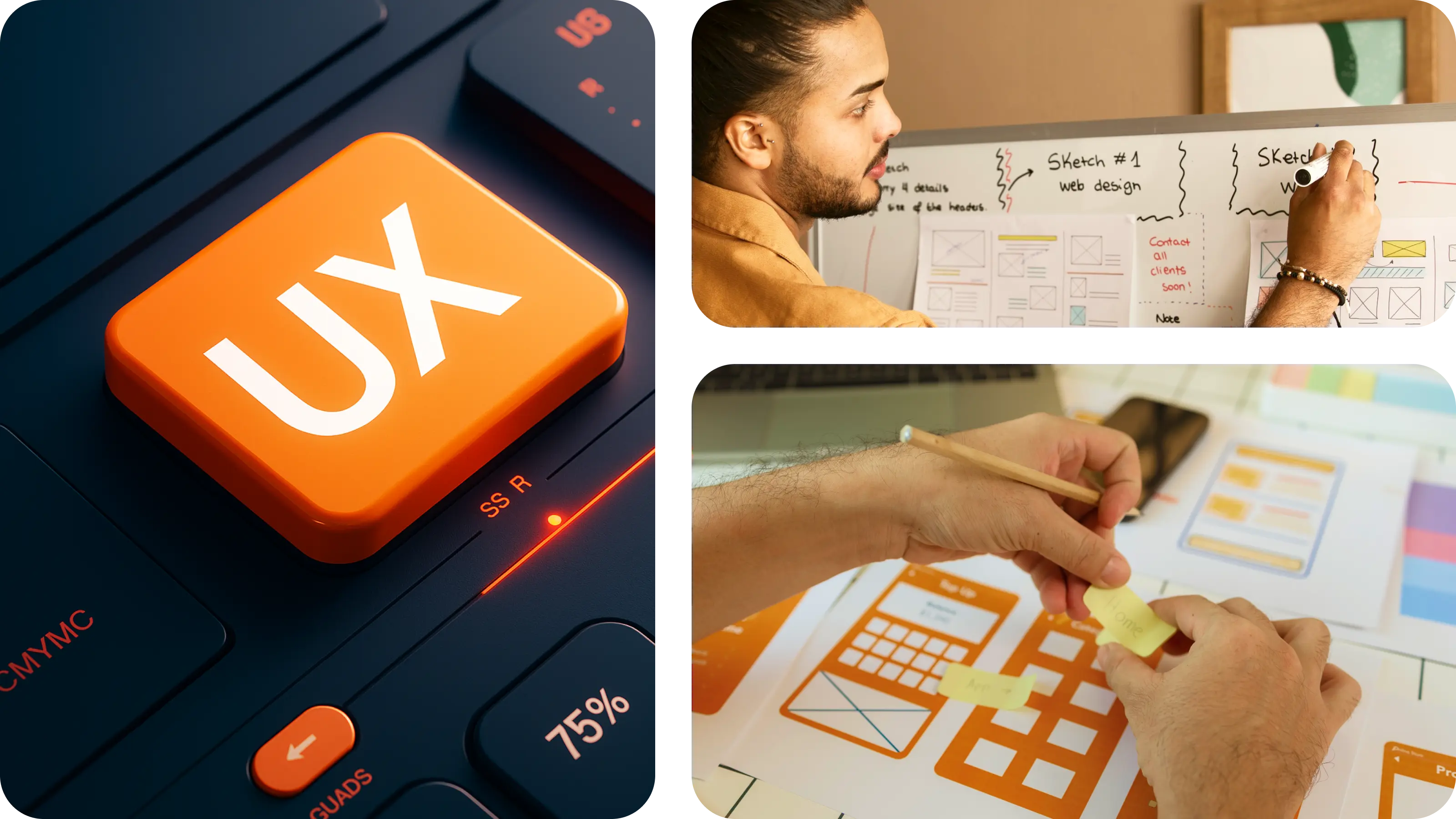
The Impact of UX Design on Business Growth
In product development, teams often focus on features, functionality, and delivery speed. Yet users rarely remember technical details. What they remember is how a product makes them feel. UX design bridges the gap between business goals and human experience. It turns complexity into clarity and frustration into flow.
A well-crafted user experience does far more than make a product visually appealing. It inspires trust, reduces user churn, strengthens brand perception, and becomes a long-term driver of sustainable growth.
When design is rooted in empathy and understanding, products transform from tools into experiences that people trust, enjoy, and return to.
Why UX Design Matters for Modern Businesses
Every digital interaction shapes how users perceive a brand. Design has evolved from being a visual layer to becoming a strategic function that determines business success.
Strong UX design aligns usability with intent. It helps businesses connect emotion with logic, ensuring that user needs are met while achieving measurable results. A thoughtfully designed product experience becomes a silent ambassador for the brand, communicating reliability, care, and clarity without words.
You can explore more about the value of user experience in this UX Design Institute article.
Building Trust and Brand Perception
First impressions form in seconds. The clarity of navigation, quality of typography, and rhythm of interaction all influence how users feel about a brand.
When an interface feels consistent, intuitive, and reliable, people build confidence in the product. Over time, that confidence turns into trust. Every small design decision contributes, from micro-interactions to the tone of voice used in copy.
At Artocea, we see UX design as the first and most powerful expression of a brand. It is the point where users decide whether to stay, explore, and engage further.
Retention Through Effortless Experience
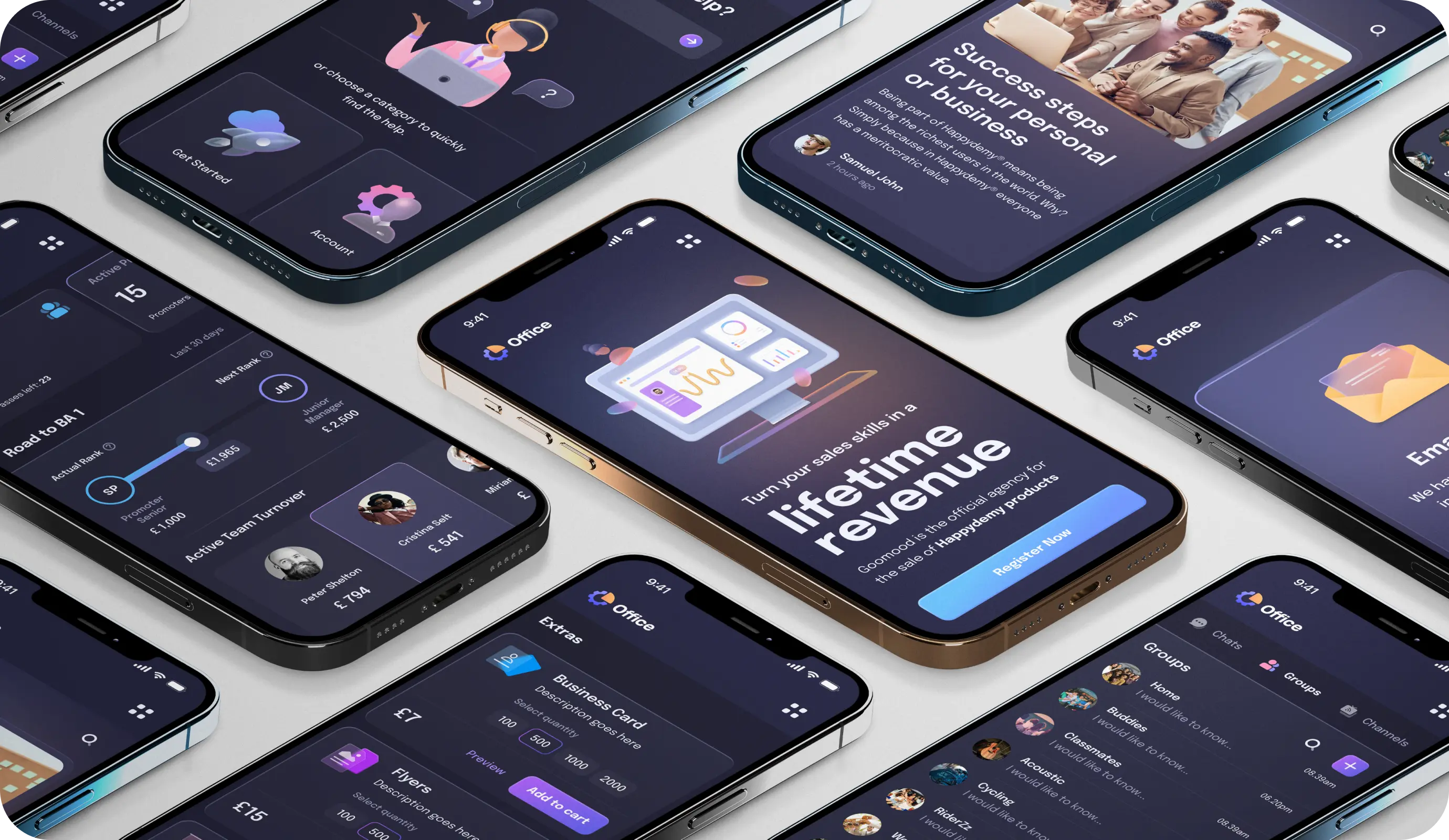
A great first impression matters, but long-term success depends on consistency. When users can achieve their goals quickly and without friction, they develop loyalty.
Good UX design gives users confidence in every step. It reduces frustration and transforms simple interactions into moments of satisfaction. Over time, this sense of effortlessness leads to retention and word-of-mouth growth.
Conversions and Measurable Growth
Empathy and clarity define conversion-focused design. Empathy uncovers what users actually need. Clarity ensures that the path to action is intuitive and rewarding.
From a signup flow to a checkout page, every step can either encourage or discourage progress. When UX decisions are informed by real user testing, conversion rates improve naturally.
At Artocea, we use usability insights and behavioral data to refine experiences until they feel effortless. Even small adjustments can have a measurable impact on sales and engagement.
Cost Efficiency Through Research and Clarity
Investing in UX early is a smart business move. Identifying usability issues during the design phase is far more cost-effective than fixing them after launch.
User research helps teams understand real needs before development begins. It removes guesswork, reduces rework, and eliminates unnecessary complexity. Intuitive products also reduce the need for support and training, allowing teams to focus on innovation instead of troubleshooting.
This approach saves time, money, and resources, while ensuring a better experience for everyone involved.
Standing Out in Competitive Markets
In a crowded market, features are easy to copy. Experience is not. Products that feel natural and enjoyable gain a lasting competitive edge.
Google’s early success came from one thing, simplicity. Its clean interface and fast results made people trust it instantly. That is the power of usability.
A product that feels effortless communicates intelligence and care. Companies that prioritize UX design attract customers who value comfort, confidence, and quality.
The Human Side of UX
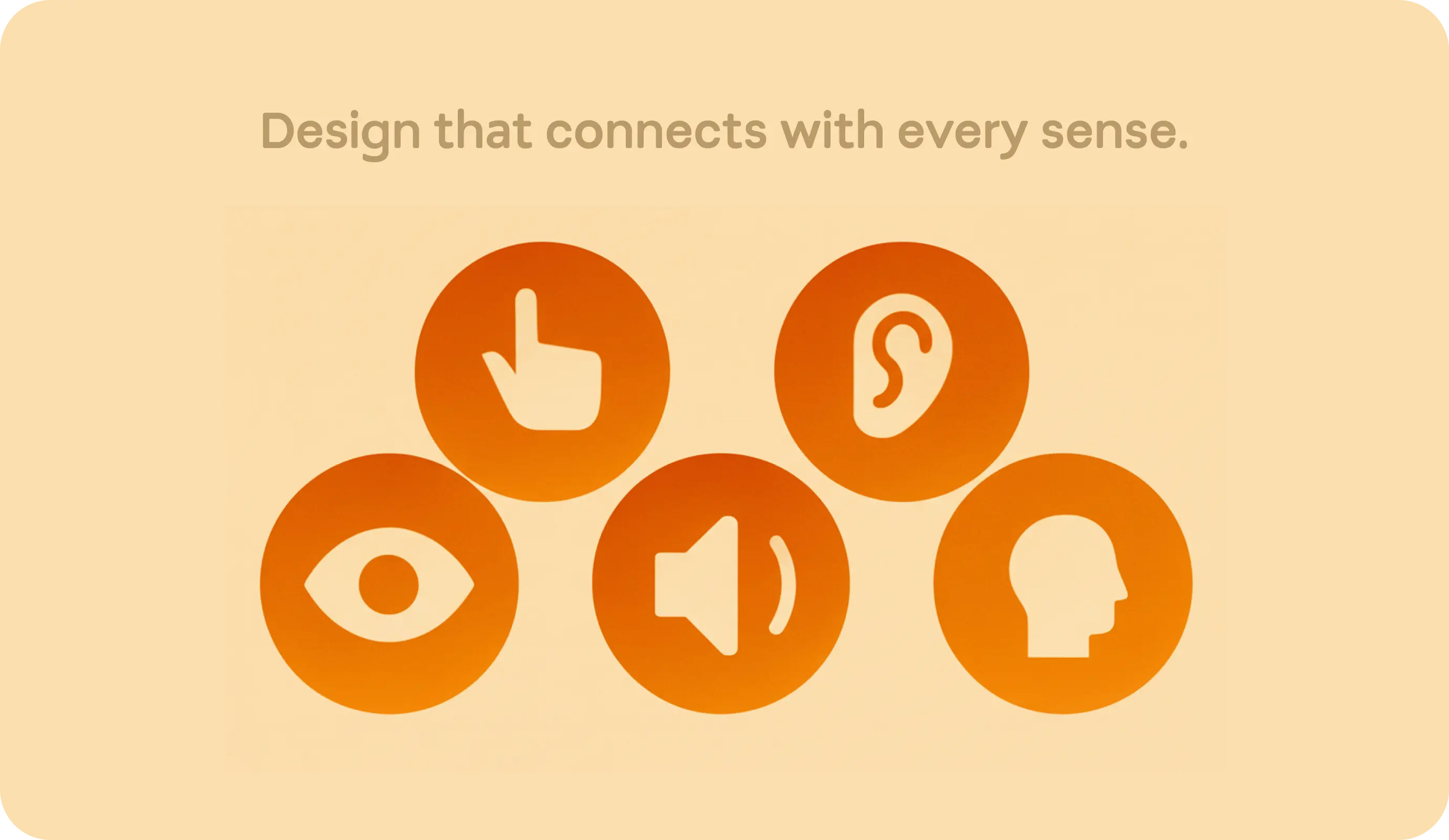
Beyond performance metrics, UX design has a human purpose. It builds empathy, accessibility, and inclusion into every product.
Accessible and human-centered design ensures that everyone, regardless of ability or background, can use a digital product comfortably. Clear writing, consistent structure, and readable typography make technology feel approachable rather than intimidating.
Great design makes people feel seen and capable. That emotional connection is often what turns an ordinary product into one that users love.
Artocea’s UX Process
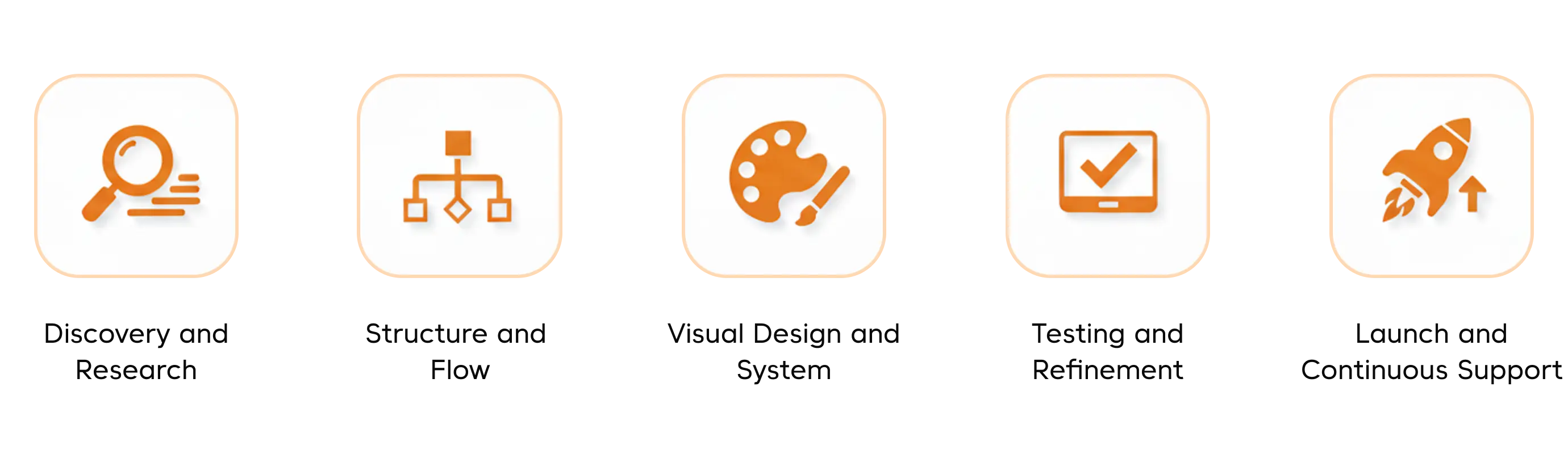
Our approach to UX design blends creativity with structure, ensuring that every step balances user needs and business goals.
1. Discovery and Research
We begin by understanding people - their motivations, pain points, and expectations. Through research and audits, we uncover insights that guide every design decision.
2. Structure and Flow
Before visual design begins, we define user journeys and wireframes. This creates logical paths and removes unnecessary steps.
3. Visual Design and System
We craft visual systems that combine brand personality with usability. Every element, from color to typography, is chosen for clarity and purpose.
4. Testing and Refinement
We test designs with real users, observe their behavior, and refine details to make interactions more intuitive and enjoyable.
5. Launch and Continuous Support
We deliver developer-ready design systems and stay involved after launch to monitor performance and refine the experience based on data and feedback.
FAQs
1. What is UX design and why does it matter?
UX (User Experience) design focuses on how people interact with a product and how easy or enjoyable it is to use. It matters because a well-designed experience keeps users engaged, reduces frustration, and strengthens trust in your brand.
2. How does UX design impact business growth?
Good UX improves conversion rates, boosts customer retention, and lowers support costs. When users find your product easy to use, they are more likely to return, recommend it to others, and help your business grow organically.
3. What is the difference between UX and UI design?
UI (User Interface) design is about how a product looks - colors, typography, and layout. UX design is about how it feels to use - navigation, usability, and flow. Both work together to create a cohesive experience.
4. How can UX design improve customer trust?
A clear, consistent, and intuitive interface helps users feel confident and secure. When a product behaves as expected and solves problems smoothly, it naturally builds credibility and trust over time.
5. Why should startups invest in UX early?
Early UX research prevents costly redesigns later. It ensures your product aligns with real user needs before development begins, saving time, money, and helping you launch faster with more confidence.
6. What are the key elements of effective UX design?
Empathy, usability, accessibility, and consistency. Understanding user behavior and designing around their needs ensures that every touchpoint feels natural and valuable.
7. How does Artocea approach UX design?
We combine research, strategy, and creativity to design experiences that connect clarity with business goals. From discovery to testing, every step focuses on making products intuitive, scalable, and delightful to use.
8. How can I evaluate the UX of my product?
Start with a usability test or a UX audit. Identify where users struggle or drop off. You can also try Artocea’s Free UX Audit to uncover opportunities for improvement.
The Takeaway
UX design is not decoration; it is a business strategy. It defines how users perceive your brand, how they interact with your product, and whether they return.
When done well, UX design transforms functionality into emotion and interaction into loyalty. It turns a good product into one that feels effortless and meaningful.
At Artocea, we view UX design as the meeting point of creativity and strategy. It is where human empathy becomes measurable growth.
To see how design can elevate your digital product, explore our Free UX Audit or browse our portfolio.
DESIGN STORIES
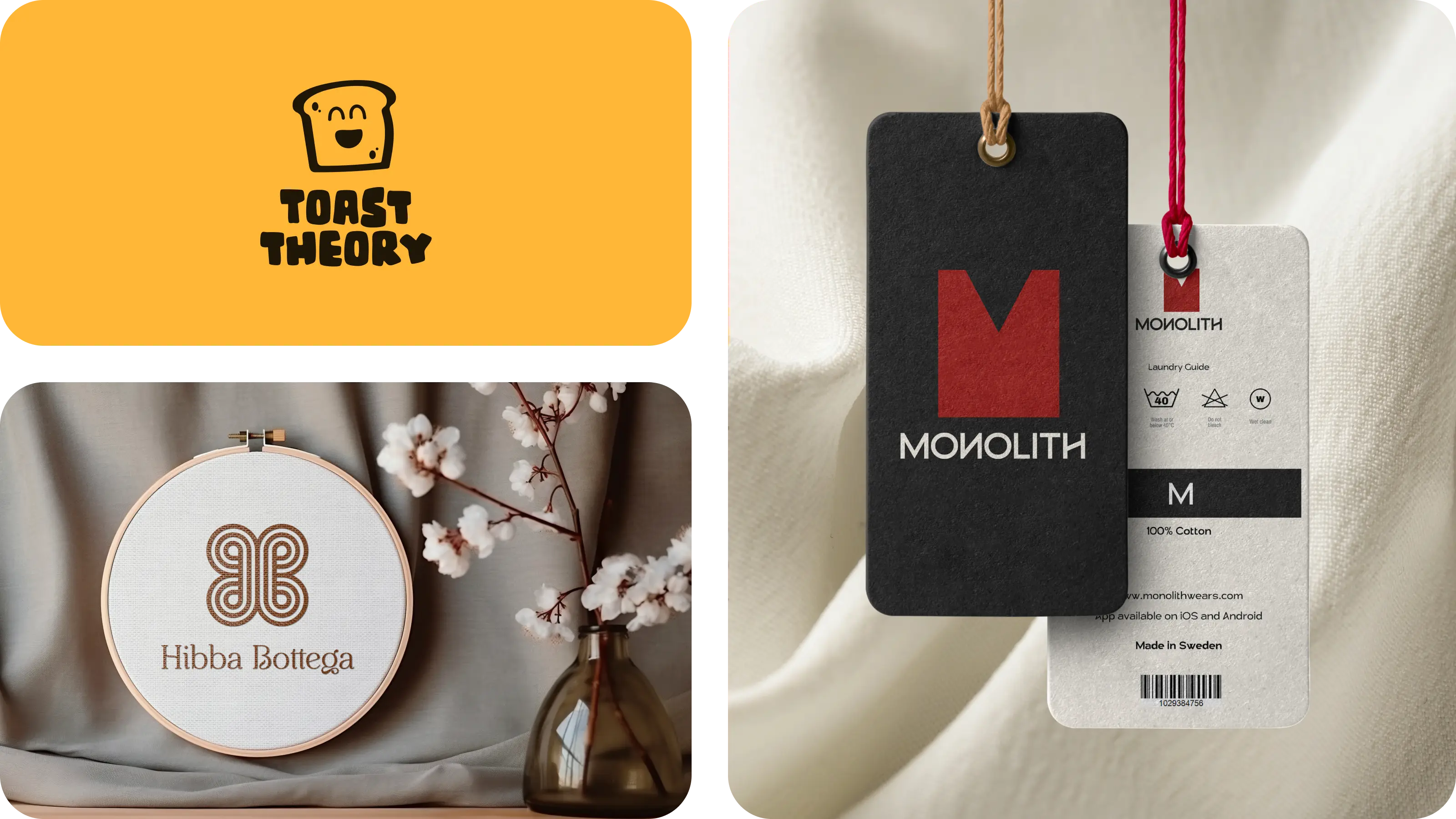
At Artocea, every project goes beyond visuals, becoming a story shaped through design. We craft experiences that truly connect, whether it’s an app, a brand, or an animation.
Our creative team blends clarity, detail, and personality to craft work that stands out and leaves a lasting impression.